Skip to content
Reboucle

Recycled and circular materials

Percentage,
source,
certificate.

That is the whole claim. Three figures per article, published where you can read them before you buy — and left blank, visibly, wherever we cannot evidence them.

We do not describe what we sell as green, ethical or responsible. Those words are not measurements, so they are not on this site.

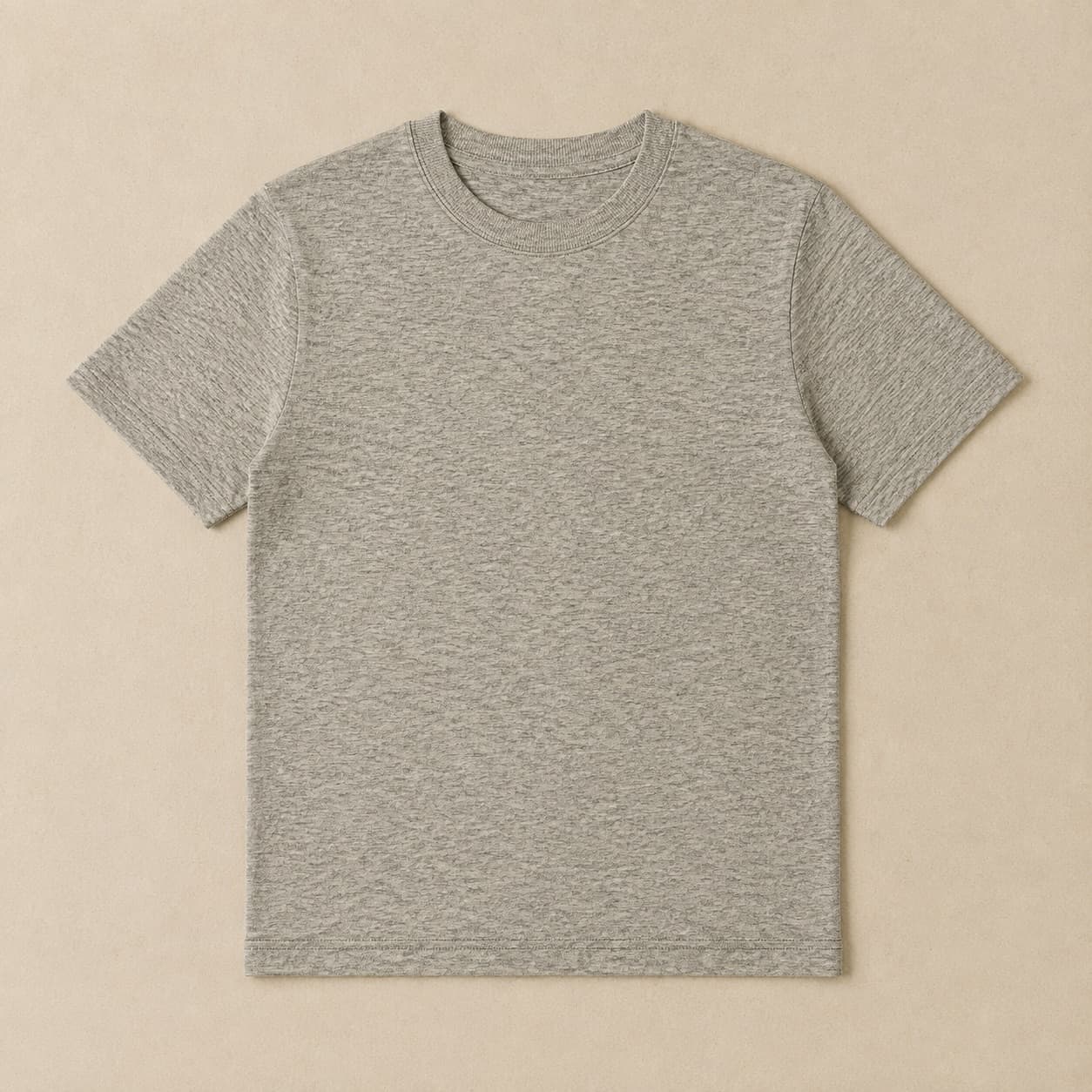
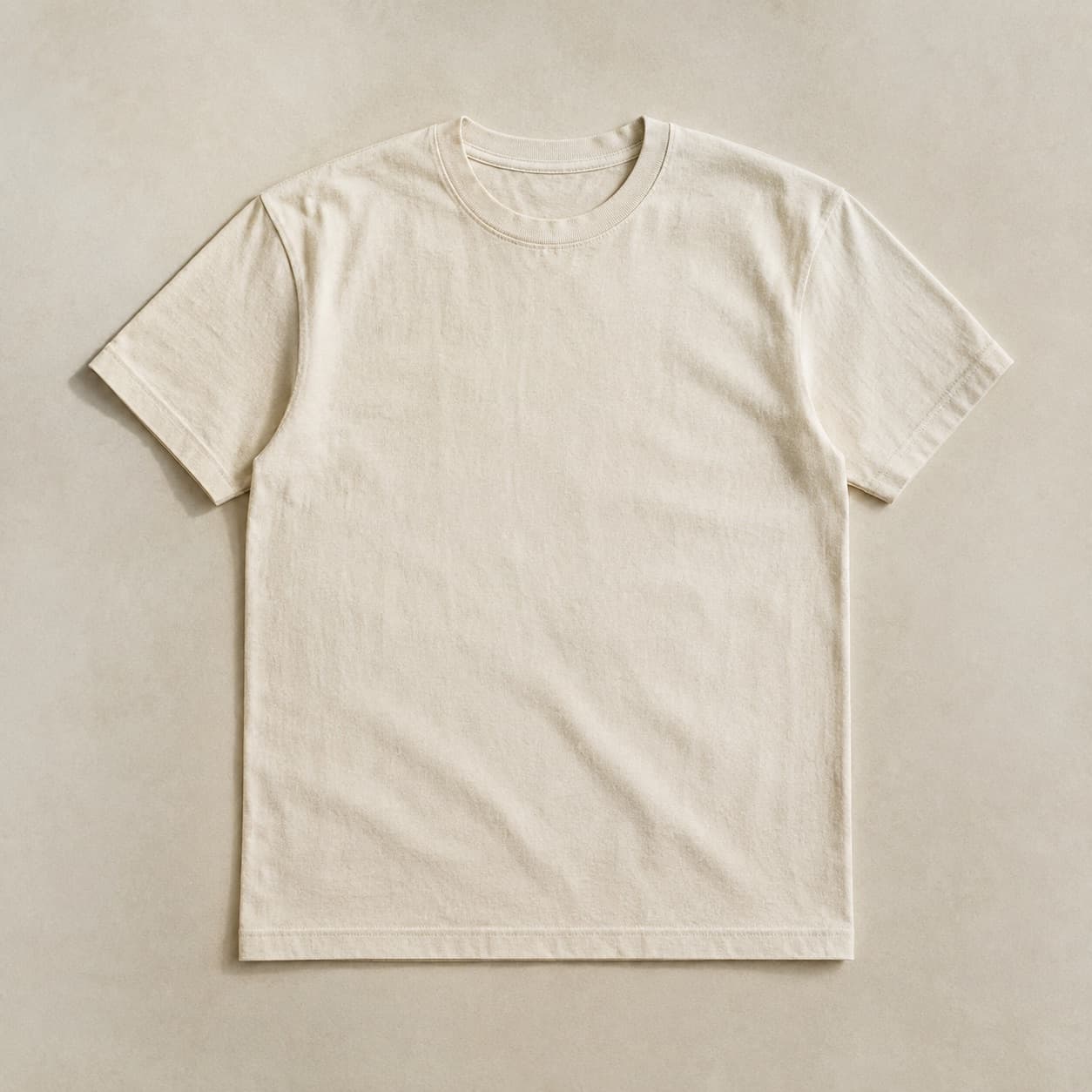
An ecru cotton t-shirt laid flat on a muted olive-grey ground, photographed from directly above.

Material card

RC-01

Recycled content
60%
Source
post-consumer
Certification
supplier-declared
Recycled Cotton Tee
€39
Open the full trace
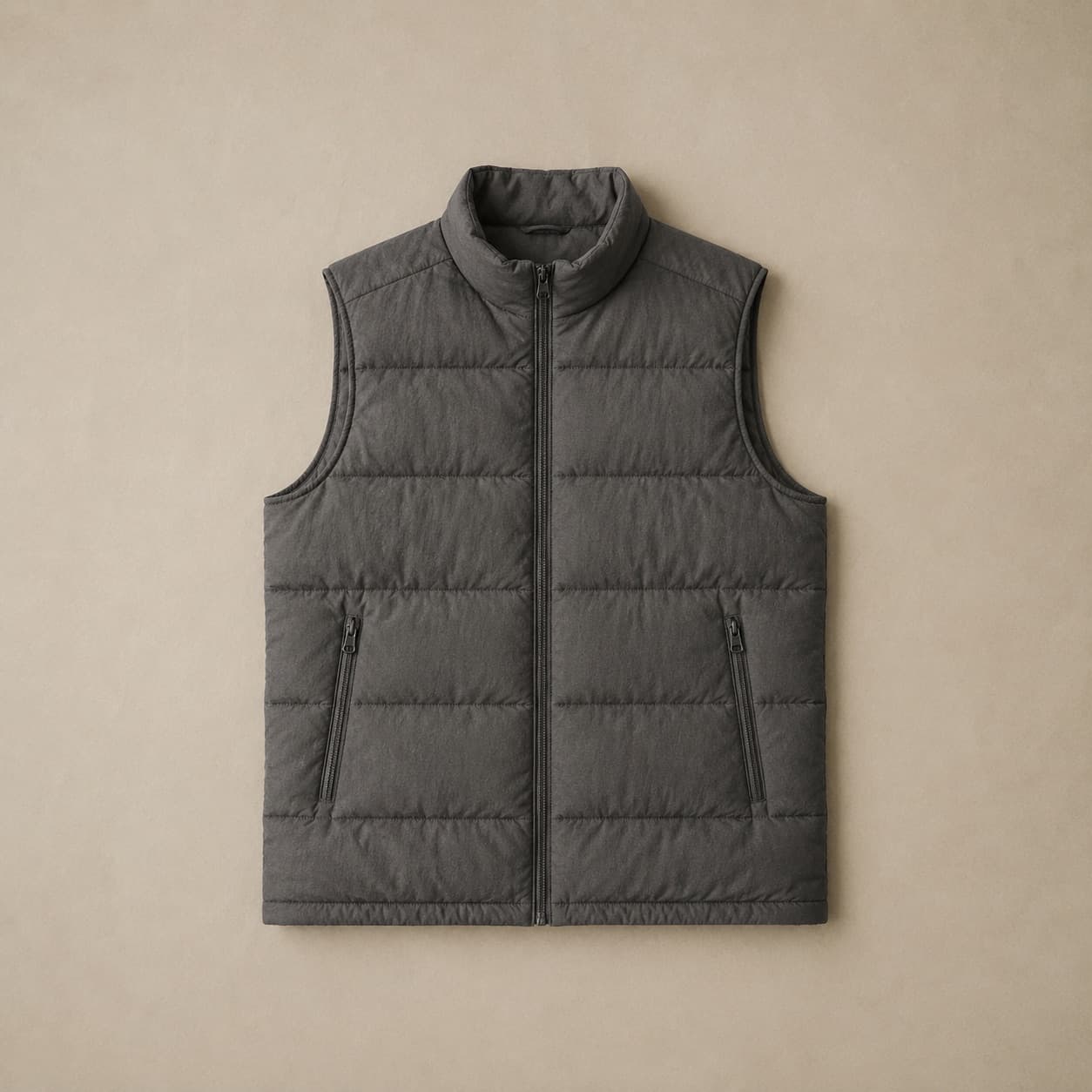
Articles
42each with its own figures
Material lines
06organised by input, not by shape
Recycled content
0–100%stated even when it is nought
Source types
02post-consumer, post-industrial

What this site publishes

01

A percentage, never an adjective

Recycled content is published as a number by weight, matched against the composition label sewn into the article. Where an article contains none, it says nought — it is not left blank and it is not moved to a different page.
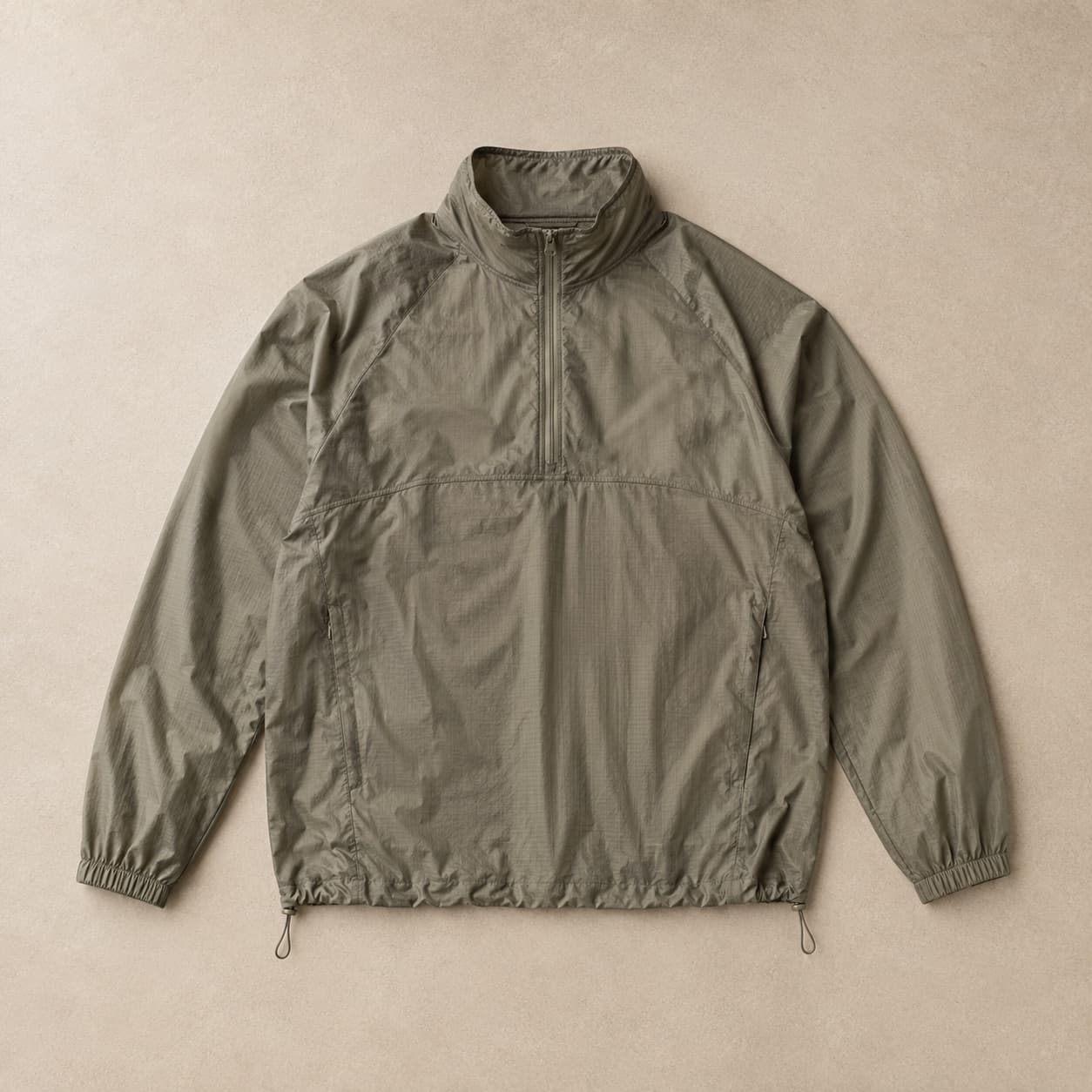
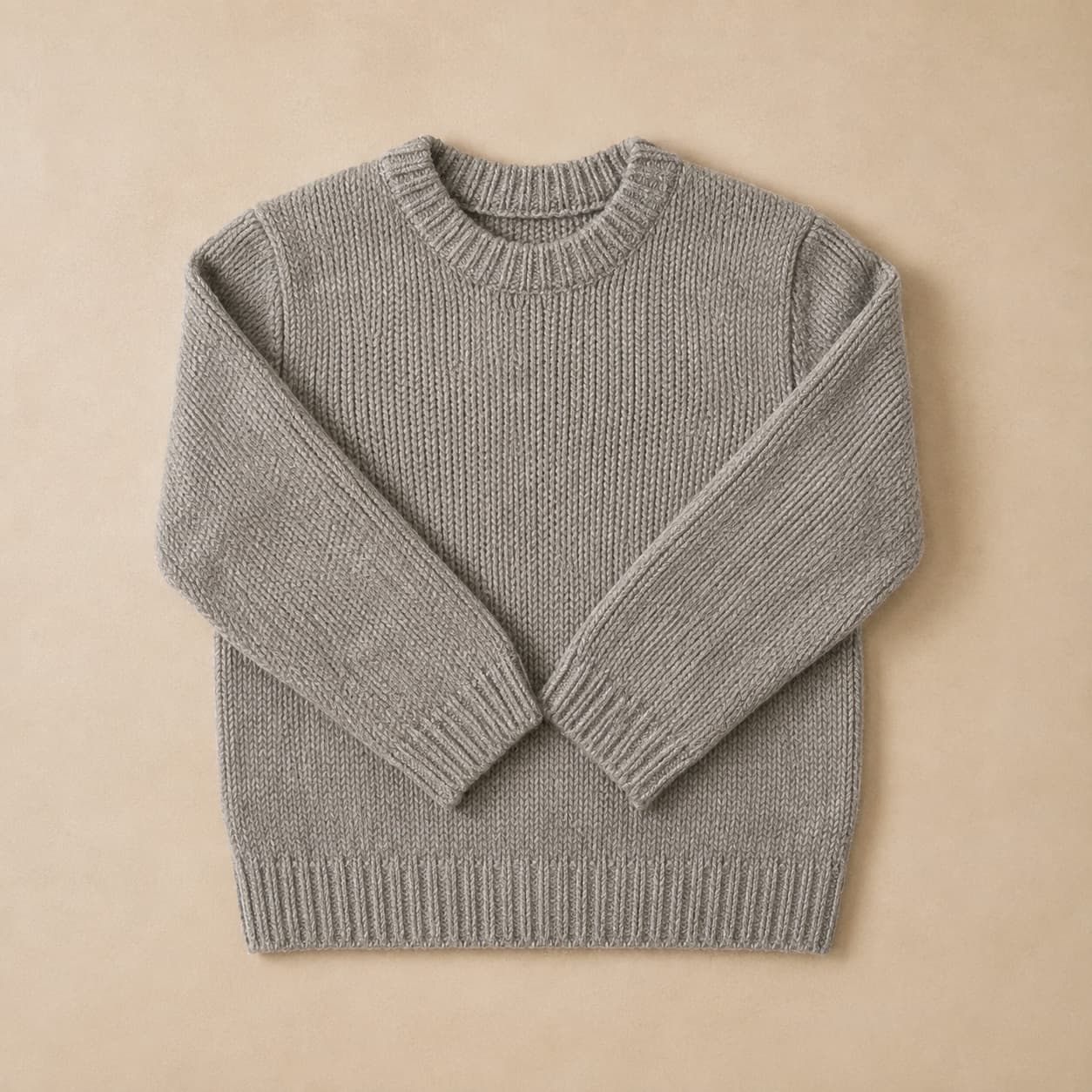
02

Where the material came from

Post-consumer material was collected after use. Post-industrial material was collected before it ever reached a customer. They are different inputs, so they are labelled separately — and we do not tell you which one to prefer.

03

The reference, or nothing

A standard is only named when a certificate reference backs it. Until an issuing body publishes one, the article reads supplier-declared and the standard name does not appear anywhere. That rule is enforced in code, not by review.

Selected articles

All collections

Source types

Two inputs. We label which, and stop there.

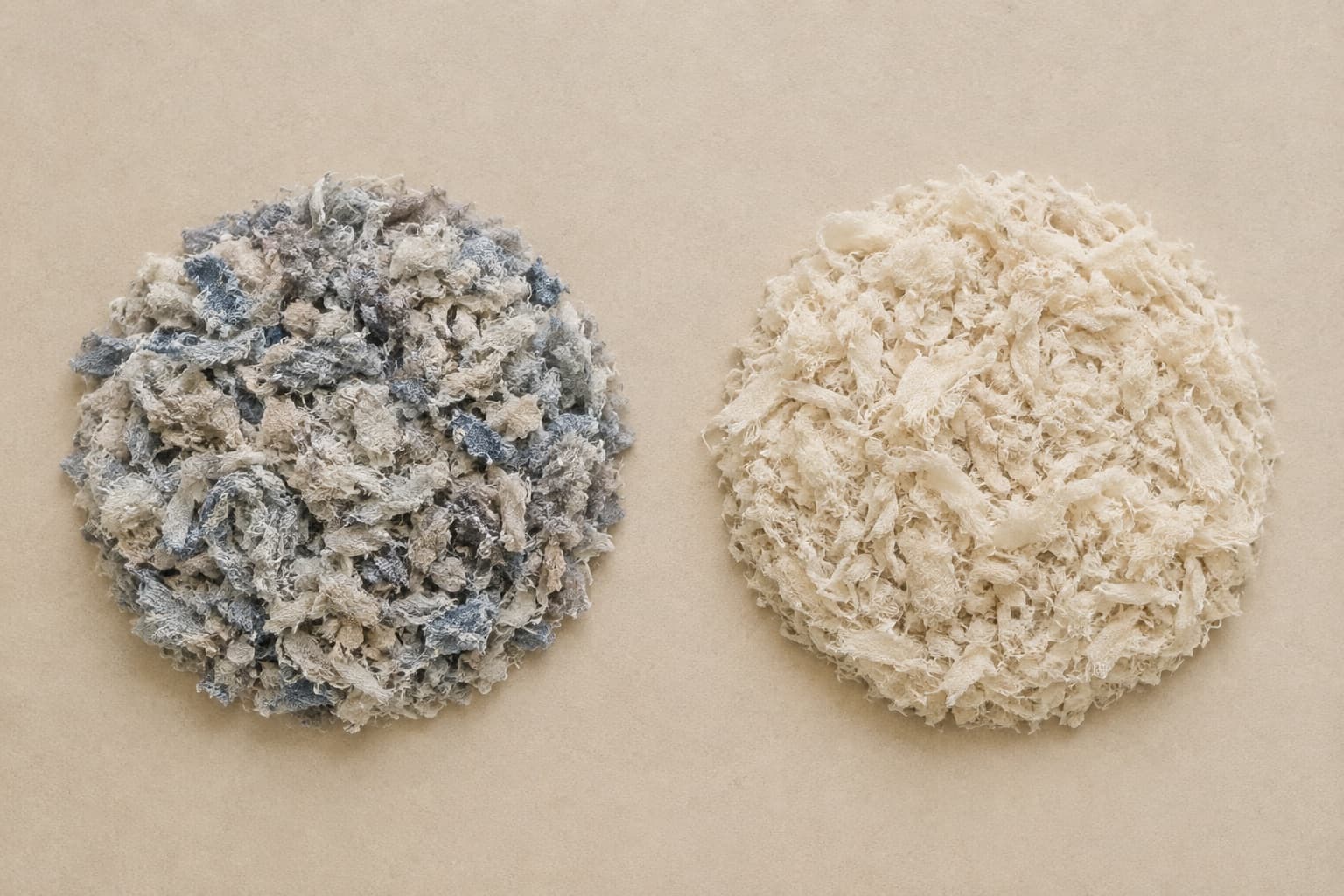
On the left, post-consumer: garments and bottles collected after use, arriving mixed in colour and condition. On the right, post-industrial: offcuts and spinning waste collected inside the factory, arriving clean and consistent.

One is harder to process, the other is more predictable. Which of those matters more depends on what you are weighing, and that judgement is yours rather than ours — so this page describes them and ranks neither.

Read the material page
Two equal round piles of shredded textile fibre side by side on a pale ground. The left pile is mixed in colour with greys and faded blues; the right pile is a uniform pale ecru.
left · post-consumerright · post-industrial
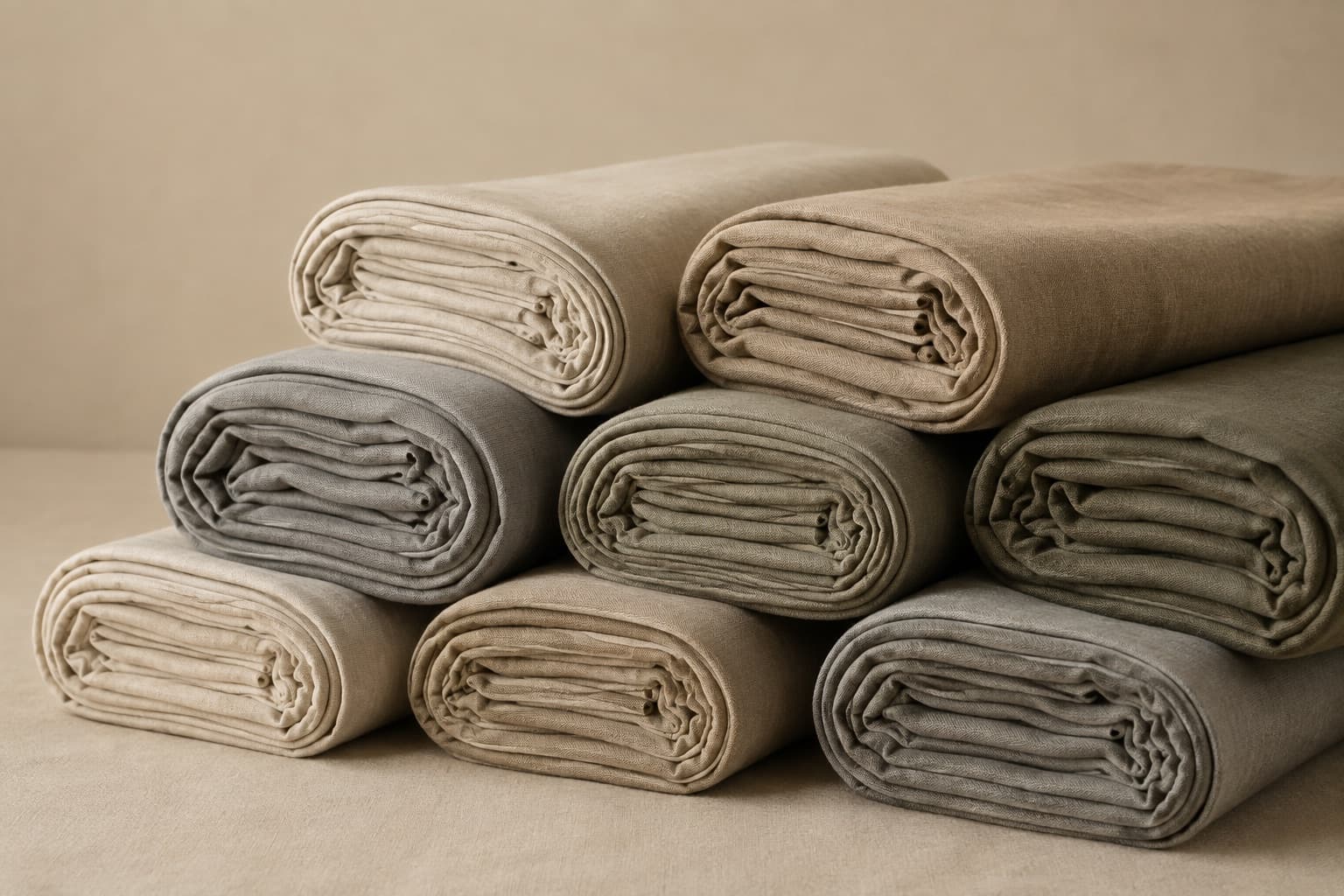
Several rolled bolts of folded cloth stacked on their sides, cut ends facing the camera.

Deadstock

Deadstock is not recycled, and we will not call it that

Seven articles here are cut from cloth that already existed in a warehouse. No fibre was reprocessed to make them, so their recycled content is nought and their material cards say so in the same type size as every other card on the site.

What is true of them is that each is a single run against a finite number of rolls. The unit count is printed on the card, and when it sells out the article is not remade.

Deadstock and offcut

Order terms

Right of withdrawal
14 daysFrom receipt, with a standard form provided. Deadstock articles included.
Legal guarantees
2 + 2 yearsConformity and hidden defects, listed separately as French law requires.
Free delivery from
€80Below that, delivery is shown as a separate line before payment.
Measurement tolerance
±1 cmEvery size table is measured flat, in centimetres, to that tolerance.

When a certificate reference is issued, we publish it

Occasional email, free, no membership of any kind. Mostly it is new material cards and updated certification status. Unsubscribe in one click from any message.